Bus Shelters & Transit Stop Systems
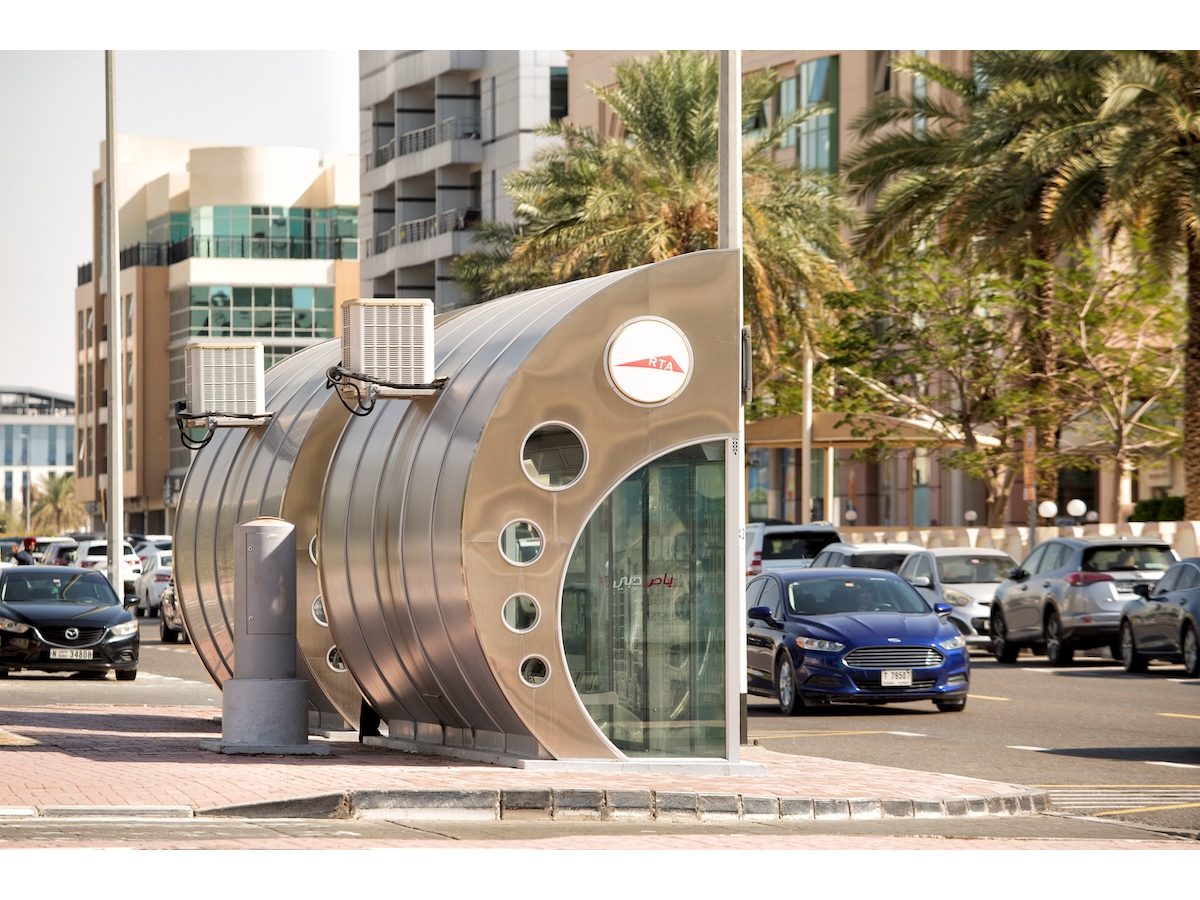
Bus stop shelters and transit stop systems for urban networks, providing passenger waiting protection and information services. Configurations cover solar-powered shelters, air-conditioned and closed shelters, BRT shelters with multiple high-definition displays, and smart shelters with electronic station boards and electronic maps, adapted to local climate and visual preferences.
The shelter uses 70 x 100 mm to 120 x 120 mm aluminium extrusion posts, assembled into bays of 1335 mm, 1500 mm or 2000 mm and extended to 3000-12000 mm overall. Clear height is 2400-2750 mm and roof depth 1465-2725 mm. Infill panels are 8-12 mm thermally toughened safety glass to EN 12150-1, with a 6+6 mm or 8+8 mm laminated roof carrying 1.0-2.0 kN/m2 snow load. Structures are calculated to EN 1990 and EN 1991-1-4 (or ASCE 7-22) for 0.9-1.5 kPa characteristic wind, equal to 150-180 km/h gusts.
Accessibility follows ADA Standards for Accessible Design and ISO 21542: a level boarding pad with 1:50 maximum crossfall, a minimum 900 x 1200 mm wheelchair manoeuvring area, tactile warning surfaces at the kerb, and a 450-500 mm seat height with 350-450 mm lean rail. Options include 21.5-55 inch passenger information displays, IP65 timetable cases, 100-400 Wp photovoltaic roof modules with battery storage, USB charging at 5 V 2.1 A, Wi-Fi and environmental sensors. LED lighting delivers 100-200 lux at platform level below 40 W/m2, with all enclosures IP65 and IK08-IK10.
- EN 1090-1 / EN 1090-3 — Factory production control and CE marking requirements for structural steel and aluminium components, executed to EXC1 or EXC2 with welding coordination to EN ISO 3834.
- EN 1990 / EN 1991-1-4 (Eurocodes, or ASCE 7-22) — Basis of structural design and wind actions, used to calculate the 0.9-1.5 kPa characteristic pressure and serviceability deflection limits for canopies and cantilevered roofs.
- EN 12150-1 — Thermally toughened soda lime silicate safety glass - specifies fragmentation count, residual surface stress above 90 MPa and the CE safety marking required for shelter side panels and doors.
- EN 12600 / EN ISO 12543 — Pendulum impact classification of glazing (1B1 to 1C3) and the requirements for laminated safety glass and PVB interlayers used in overhead roof glazing.
- IEC 60529 / EN 60529 — Degrees of protection provided by enclosures, specifying IP54 to IP66 for luminaires, display housings, junction boxes and power enclosures in desert and coastal service.
- ADA Standards for Accessible Design (2010) / ISO 21542 — Accessibility of the built environment for transit stops: manoeuvring clearances, boarding and alighting areas, detectable warning surfaces and protruding-object limits.
Structural design follows the local wind and snow actions, with glazing and panel infill specified to the relevant safety glazing standard for the jurisdiction.
- Bus rapid transit — BRT corridor stations with branded modular bays.
- Municipal bus networks — neighbourhood stops across municipal bus routes.
- Metro & light rail — metro, light rail and tram feeder interchanges.
- Coach & park-and-ride — intercity coach terminals and park-and-ride facilities.
- Airports & seaports — landside transfer points at airports and seaports.
- Campus shuttles — university, hospital and corporate campus shuttle stops.
- Industrial & free zones — staff transport hubs in industrial zones and free zones.
- Waterfront & tourism — waterfront promenades and tourism district stopping points.
- School transport — school transport stops and safe-routes-to-school zones.
- EN 1090-1 / EN 1090-3 Factory Production Control certificate with CE or UKCA declaration of conformity
- ISO 9001, ISO 14001 and ISO 45001 management system certificates
- Structural calculation package and wind-tunnel or finite-element analysis report signed by a chartered structural engineer
- Glass safety compliance evidence: EN 12150-1 thermal toughening and EN 12600 pendulum impact classification reports
- Electrical compliance file: IEC/EN 60598 luminaire safety, IP rating test report and EMC declaration
- Coating warranty certificate (QUALICOAT or GSB approved applicator, 10-20 years) and spare-parts availability guarantee
- Regional and scenario customisation to local climate and visual identity.
- Information display, lighting and power packages integrated before shipment.
- Export packing, FOB / CFR / CIF to Gulf ports/global ports, with installation support.
Supplied to projects across the Gulf, North and Sub-Saharan Africa, South-East Asia and Australia. Middle East supplies are subject to project-specific approval by the owner, engineer or consultant; PROTEKTA prepares and supports the submittal package for that approval.
Bus Shelters & Transit Stop Systems — Buyer Questions
What shelter configurations are available?
Solar-powered shelters, air-conditioned and closed shelters, BRT shelters with multiple high-definition displays, and smart shelters with electronic station boards and electronic maps, adapted to local climate and visual preferences. Supplied for projects across the GCC — Saudi Arabia, UAE, Qatar, Kuwait, Oman and Bahrain — and to Iraq, Algeria, Morocco, Nigeria, Ethiopia, Tanzania, Malaysia, Thailand, Singapore, Indonesia, Brunei and Australia, with compliance documentation prepared for consultant, contractor and authority submittal.
Which standards and certifications apply?
Structural components are CE marked to EN 1090-1 and designed to EN 1991-1-3 and -1-4 actions, photovoltaic modules are certified to IEC 61215 and IEC 61730, and display and lighting equipment follows IEC 62368-1 and EN 60598-1. Also specified and procured as Transit Shelter, BRT Shelter and Smart Bus Stop; full specification ranges, material grades and datasheets are issued for tender, submittal and procurement use.
Can real-time information be integrated?
Yes. Shelters can carry real-time bus information screens, electronic station boards and electronic maps, along with advertising light boxes and selectable convenience options such as storage and vending. OEM, private-label and bespoke manufacture is supported for contractors, distributors and EPC packages.
Are shelters customised per city?
Yes. Regional and scenario customisation adapts the shelter to local climate, network requirements and the city’s visual identity. Export packing, third-party inspection and consolidated shipment to Gulf ports/global ports are arranged with the order.